


In the previous articles, I argued precision engineering is a process and not an industry as most investors and analysts categorize.

Then I navigated the story to a company (NRB Bearing).

We explored the concept of precision through tiny bearings that are only a few millimetres in diameter. This piece is about precision too, albeit at the other end of the size spectrum. Product that goes up a few meters instead of mm.
Although their size can be massive, the level of precision and criticality required for their applications and customers is just as demanding, if not more so.
But before diving into the boring engineering details, let us start with a story.
In 1997, India ordered three frigates from Russia. For the uninitiated, frigate is a multi-role warship, typically displacing between 3,000 and 7,000 tons. The frigate serves as a cornerstone of modern naval power because of its versatility in anti-submarine, surface, and air defence warfare.
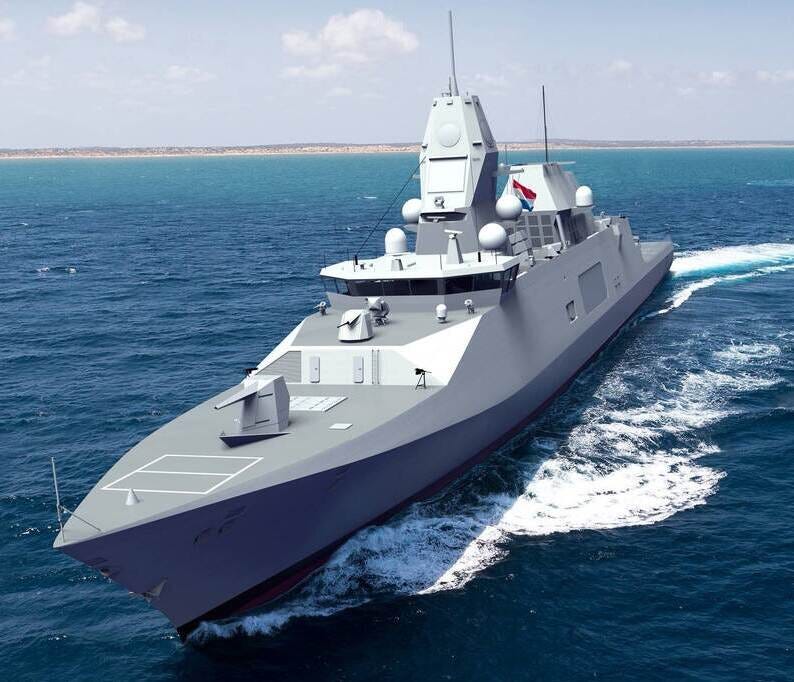
The Talwar class frigate was a Soviet arrangement, and the arrangement had outlived the Soviet Union. Russia used to build the hulls at Baltiysky Zavod. However, the gas turbines that drove them came from Zorya-Mashproekt, a research and production complex that specializes in a gas turbine construction based out of Mykolaiv, Ukraine. For 20+ years the parts had been crossing the borders with little complication, and it worked well enough that India ordered three more Talwars in 2006.
In 2014, Russia attacked Ukraine and annexed Crimea. The offense disrupted this arrangement as Ukraine terminated all engine sales to Russian entities. The resulting paralysis stalled almost all Russian naval construction, leaving unfinished hulls floating at various shipyards.
Two more Project 11356 frigates of the same class and same Ukrainian engines were built at Yantar in Kaliningrad and then abandoned there, because the thing that was supposed to make them move (propulsion) was now on the other side of a war.
And India, of all countries, was the one buyer both sides would still talk to.
The two hulls sat at Yantar in Kaliningrad, built but engineless. India bought them from Russia, then bought the M7H2 turbines from Zorya in Ukraine and had them shipped to Kaliningrad to be fitted.
India essentially bought turbines from a country under invasion and had them shipped to the invader.
Fast forward to today, and the landscape of Indian indigenisation has shifted remarkably. On July 11, 2026, the Indian Navy commissioned INS Mahendragiri - the sixth vessel of its class, built with 75%+ indigenous content.
The Indian Navy classifies maritime hardware into three functional categories:
Float: Primary hull structures and essential naval architecture.
Move: The entire propulsion system - gas, steam, and diesel turbine engines, along with power generation units, auxiliary control systems, refrigeration plants, and critical firefighting infrastructure.
Fight: The offensive and defensive capabilities of the vessel, integrated through advanced sensors, radars, and weapon systems.
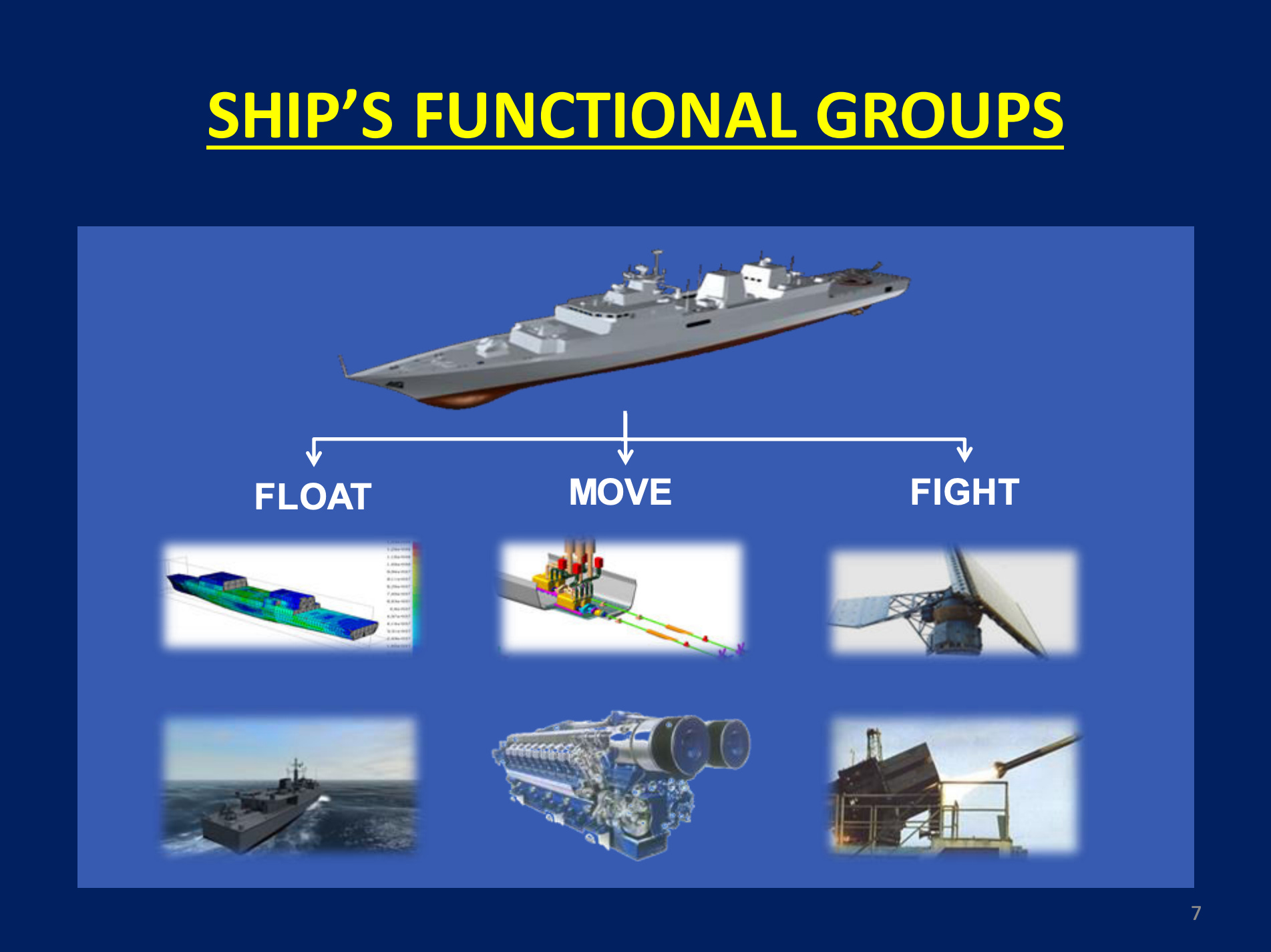
As per a document published in 2024 by the Ministry of Defence, India has achieved 90%+ indigenisation in “Float,” while the propulsion category: “Move” has achieved ~60%.
The same document states:
“The propulsion system comprises power plant (Diesel Engine/ Gas Turbine/ Steam Turbine or combination of these), Reduction Gear, Shafting, Propulsion system auxiliaries and Control System. These major elements are to be sized and suitably coupled/ integrated to ensure optimum performance of the entire system under various operating profiles of the ship. Presently, expertise for this critical task of system integration is not available within the country and therefore, IN is dependent on foreign sources. With a large number of ships being inducted under the indigenous ships building programme, there is a need for Indian industry to acquire adequate expertise and in-house competence in Propulsion system machinery selection, design and integration.”
Emphasis mine.
What this implies is that even if we were handed every component, the expertise to size them, couple them, and integrate them into a single working propulsion system does not yet exist in the country.
Two things in that list caught my attention.
The first was the LM2500 - a gas turbine engine made by General Electric. HAL receives semi-knocked-down turbine kits from GE and handles assembly, inspection, and testing (AIT). The key takeaway of the story is India does not build gas turbines, and it’s a pain point.
The second item that intrigued me was Reduction gear. I had no idea what that meant, so I began studying it during a road trip in 2024. The reading pulled me in a different direction altogether - High Speed Gears
Before proceeding, I’d like to state that a reader looking for a multibagger defence theme/stock idea WILL BE DISAPPOINTED.
What I’m sharing is my exploration into a product, the precision engineering process, and a company that I found interesting. This is not an investment recommendation.
High speed gears
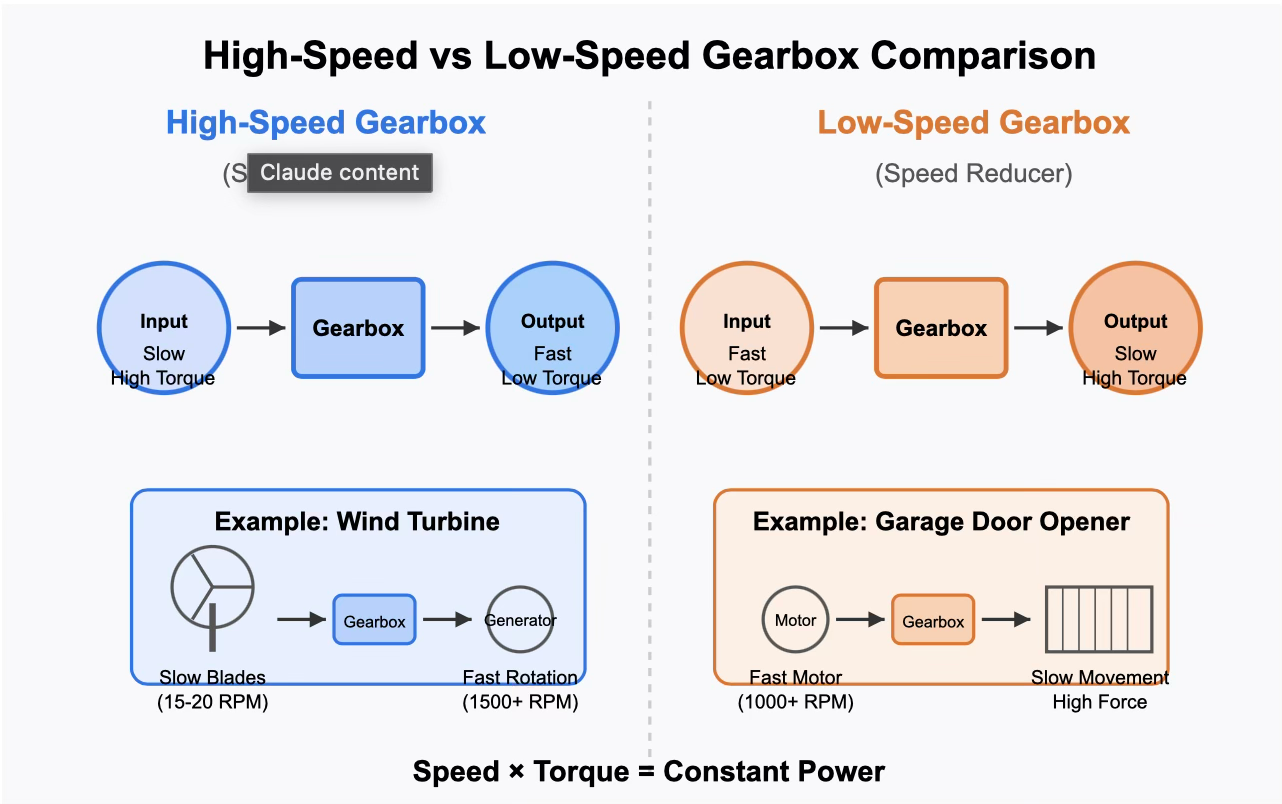
A gearbox is a set of gears that changes the speed and torque (turning force) between a power source (like a motor or engine) and the equipment it powers. Think of it like the gears on a bicycle that help you pedal efficiently on different terrains.
High-speed gears operate in demanding environments where even microscopic variations can cause catastrophic failures. The precision requirements are extraordinary - we’re talking about tolerances measured in micrometers (thousandths of a mm).
Most companies that call themselves precision engineering companies boast tight tolerances of “thinner than human hair”. Everyone has imported machines and most declare their product as mission critical.
However, a basic internet search will confirm that manufacturing high speed gears is extremely difficult.
A high-speed gearbox usually sits between two machines that do not move at the same speed. A turbine wants to spin very fast but the equipment it drives - a compressor or pump or generator or propeller doesn’t. They have different speed and torque profiles.
In a refinery, power plant, gas turbine train or marine propulsion system, the reliability of the high-speed gear is critical. The gearbox is not the most expensive component in the system but if it fails, the entire system stops, resulting in lost production, downtime etc.
Challenge in manufacturing high speed gears
The gear has to be both hard and tough. The tooth surface must be hard enough to resist wear, and repeated contact stress. But the core cannot be brittle, because it has to absorb load and shock over years of operation.
So the gear has to be heat-treated. Steel expands, bends and distorts on heating. A large gear that looks perfect before heat treatment may not remain perfect after it. And in this business, “almost perfect” is not good enough. The manufacturer has to predict how the gear will distort before it distorts.
In other words, the gear may have to be machined slightly wrong at the beginning so that after heat treatment, quenching and grinding, it becomes right. That is such a beautiful idea. Precision here is more than making something exact - so you must adjust in advance how reality will deform your accuracy.
The gears operate in a harsh environment. A micron level error can be catastrophic. Here’s how
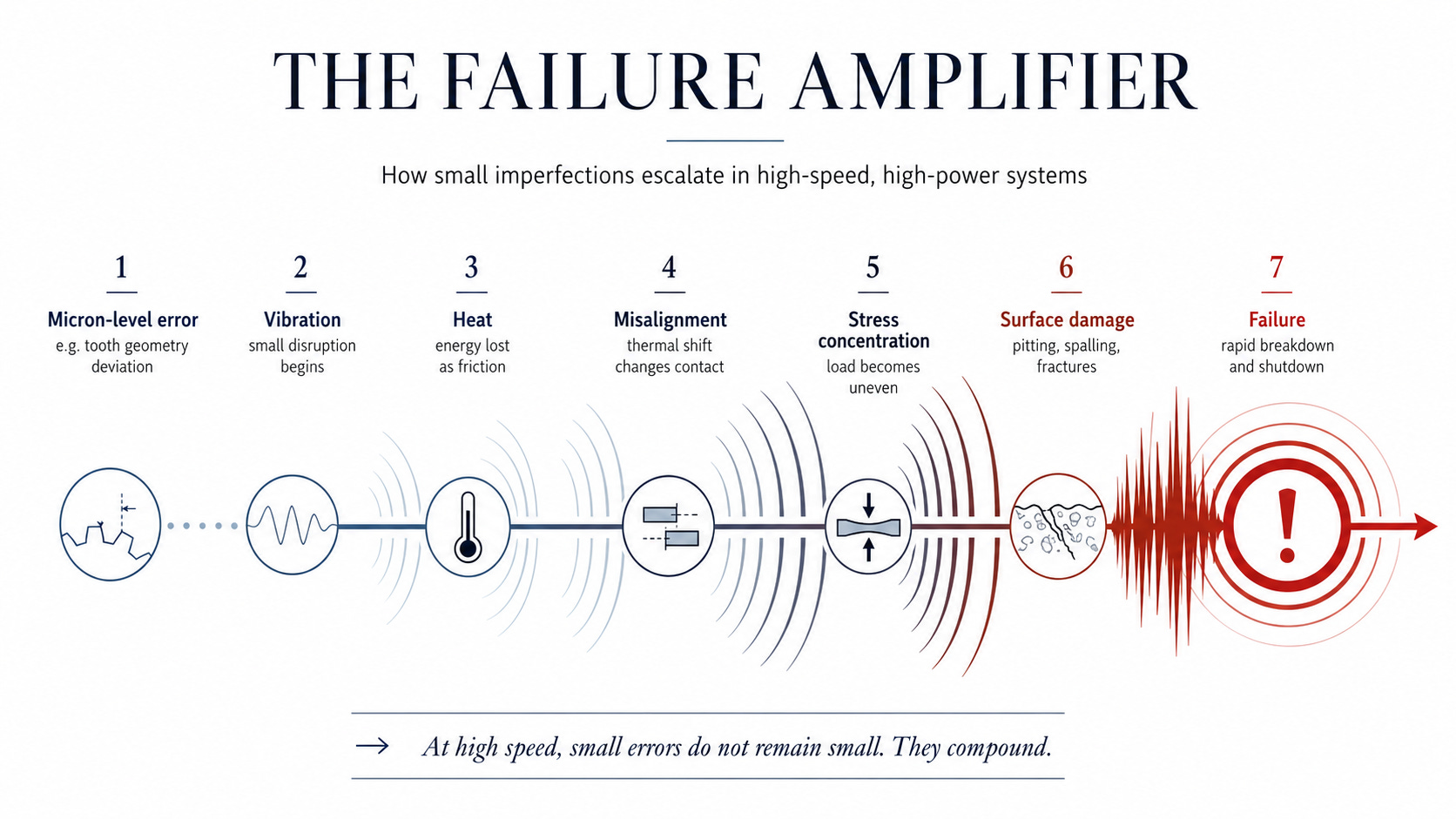
To sum it up, a high-speed gearbox demands operating a complex engineering system. Metallurgy, machining, heat treatment, grinding, balancing, lubrication, and rotor dynamics all must sync in perfect harmony.
Merely buying expensive machines to manufacture gear will still leave you unprepared. You will have to accumulate decades of tacit knowledge.
Even if a new supplier enters this business, why would a customer take the risk?
For a turbine OEM, compressor manufacturer, refinery, chemical plant or power producer, the gearbox is custom designed into a larger system. Once a supplier is approved, the relationship lasts for years. No plant head or engineer wants to be the person who approved a cheaper gearbox that later brought down the plant.
This creates a strange moat: You need references to win customers, but you need customers to build references. It’s a moat made of time and time is one input capital can’t buy.
I love such loops.
India’s dominant high speed gear manufacturer
One company that has spent decades building this loop is Triveni Engineering & Industries Limited (TEIL).
TEIL is a sugar conglomerate which houses a small business unit called the Power Transmission Business (PTB). PTB manufactures high-speed gears and began by serving the captive needs of Triveni’s sugar and power operations. PTB’s plant in Mysuru was established in 1976. Under the licence with Lufkin (now Baker Hughes) it built up to 50 MW at 40,000 rpm.
Over time, that internal engineering function evolved into a specialised business of its own. Today, PTB manufactures high precision, high-speed gears and gearboxes for steam turbines, gas turbines, compressors, pumps, and marine applications.
PTB now has 12,500+ installations worldwide.
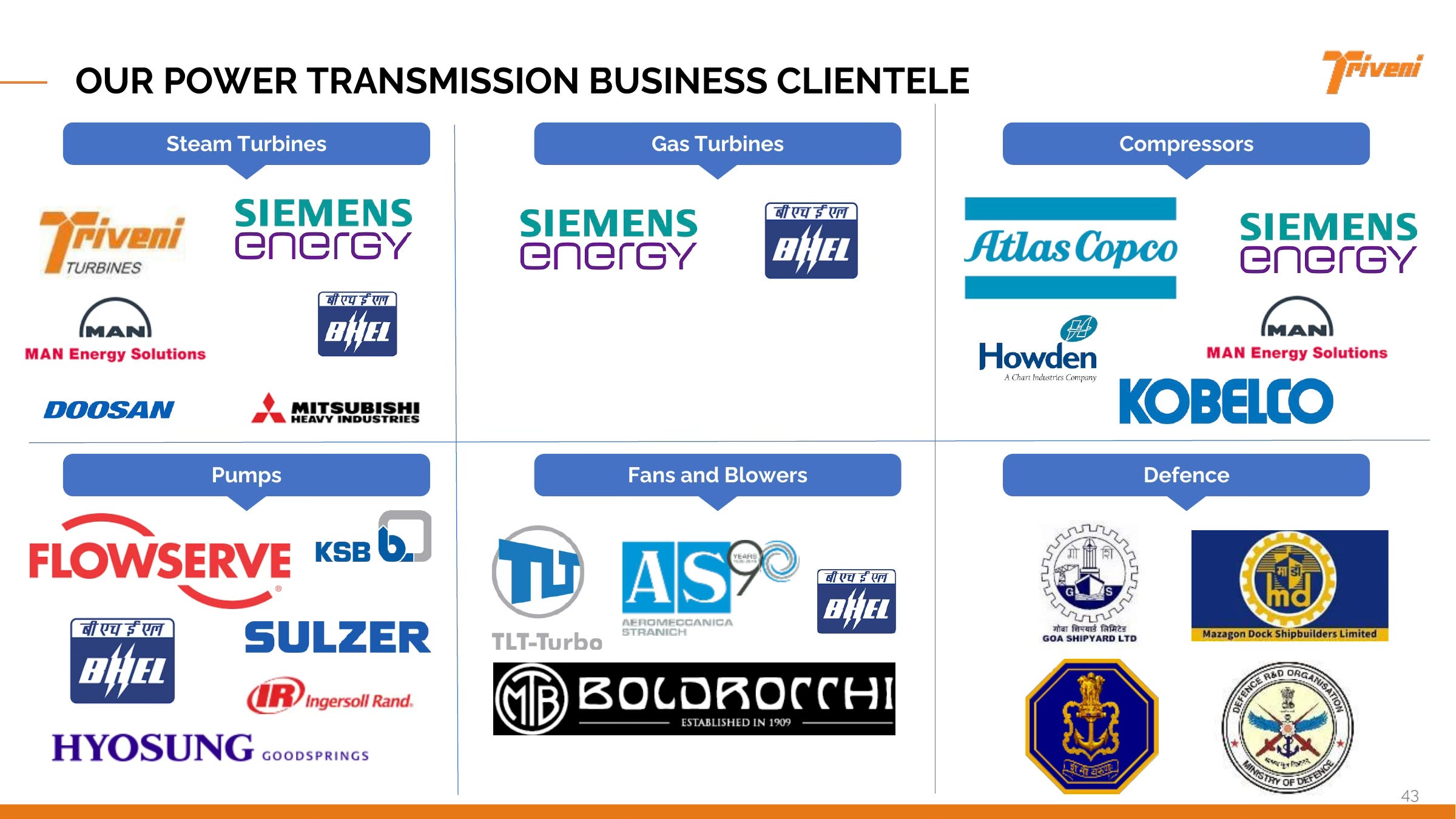
Triveni holds over 70% of the domestic high-speed gear market. The remaining 30% is largely imported; local competition is limited.
In FY26, PTB did ₹340 crore of revenue and ₹120 crore of PBIT (~35% PBIT).
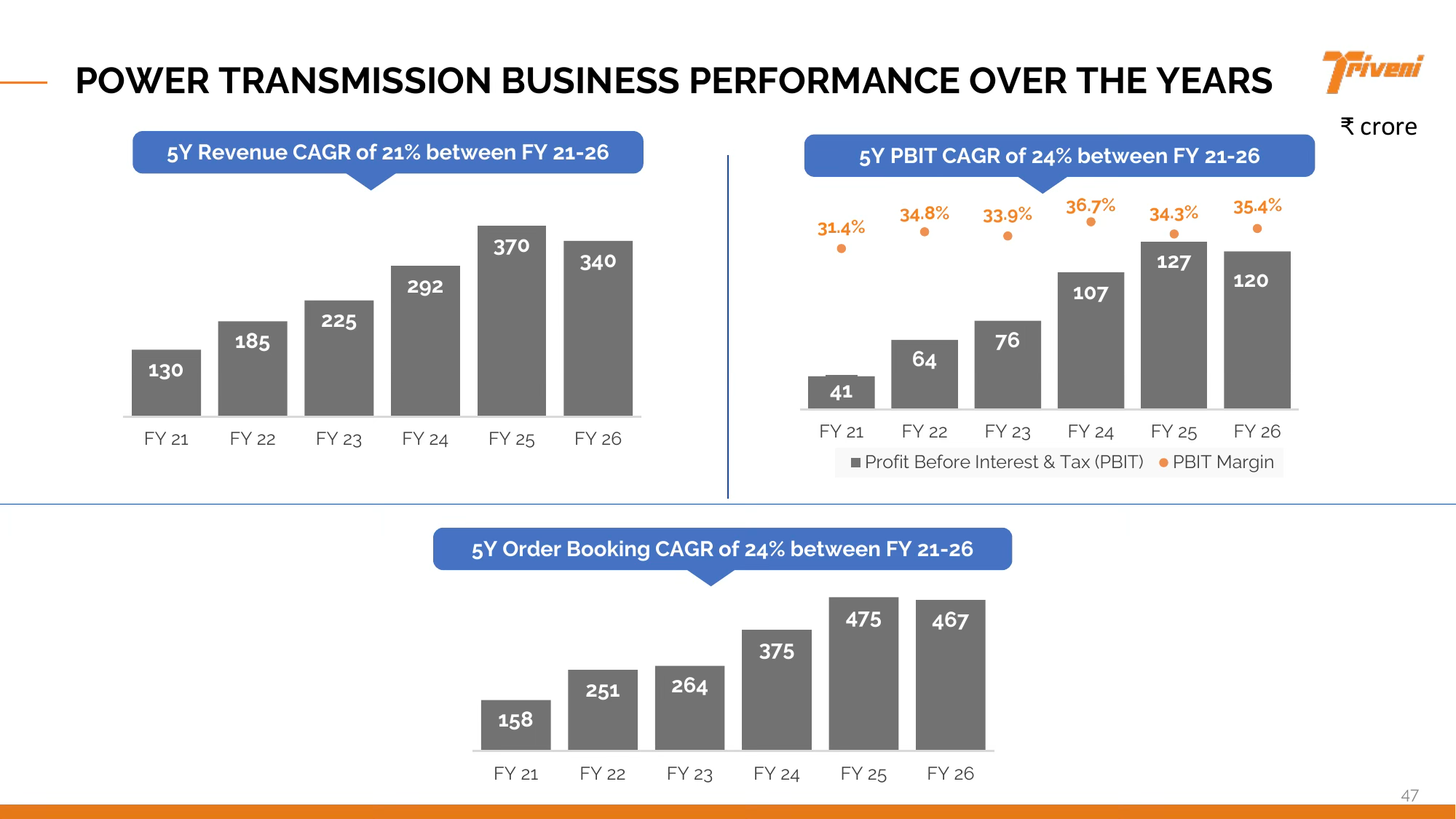
Enjoying 35% operating margin is unusual for a capital goods company. Most cap goods won’t sustain 20%+ EBIT margins through cycles unless something else is going on.
Tailwinds & Triveni’s right to win
Structural cost advantage: Triveni’s cost of manufacturing is almost half that of US and Europe peers. That said, acquiring a new customer and convincing them to change gearbox suppliers is equally difficult, if not more.
Service response time: In critical rotating equipment, quick turnaround time (TAT) in service is paramount. The response time from some European gear manufacturers is terribly slow. Management underlined that a global OEM replacement can take as long as a year, which Triveni can complete in 2-3 months.
Access to major export markets: PTB had an agreement with Lufkin under which their geography and market access was constrained - they weren’t allowed to sell directly to the primary major markets. Europe, North America and much of the Middle East were closed. This agreement ended in Jan 2023. As per broker estimates the TAM has grown ~15x (from 250 cr. to 4,000 cr.)
Replacement/Overhaul: New gears require capex and have to be custom-built. As noted earlier, entering a new account is painfully slow. Triveni services/overhauls over 90 brands of gear. This aftermarket/service business also cushions the lumpiness from the capex-dependent business.
Industry structure & evolution
High-speed gears are categorically different from the broader industrial gearbox market. Elecon and Shanthi Gears operate in a different segment of low and medium-speed industrial gears. Low and medium speed here doesn’t indicate commodity-like business - these two are great businesses too. High-speed turbo gearboxes are a narrower and more unforgiving category.
A market this small (sub $1B global TAM) doesn’t support many manufacturers, and it cannot be entered profitably by anyone new. So in the last two decades incumbents have been acquiring each other.
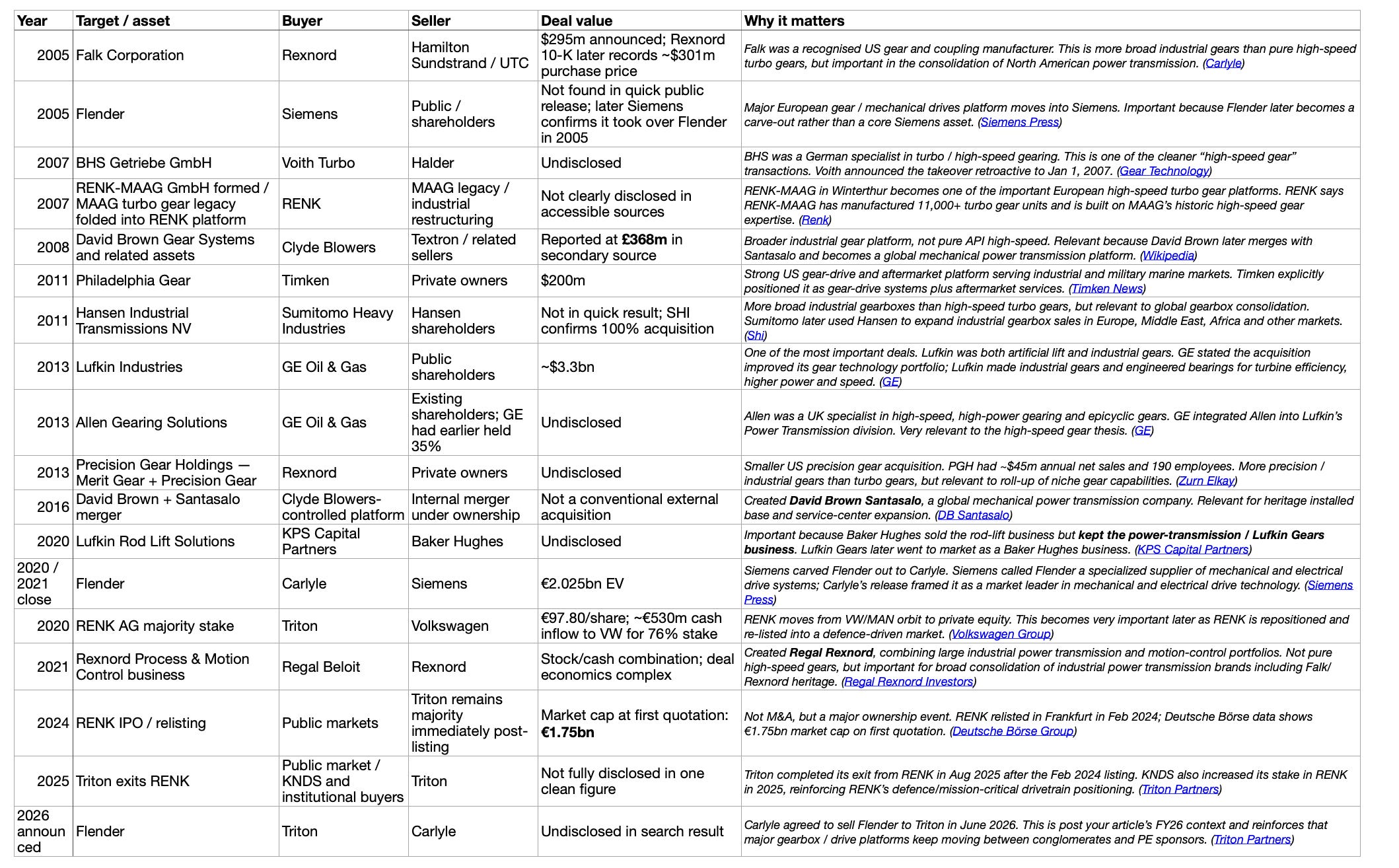
Globally, the serious players have existed for decades: RENK-MAAG, Flender, Lufkin, Allen, Philadelphia Gear, BHS/Voith. Some of their origins trace back to the industrial era when Europe and US were building the machinery backbone of the world.
A 40-50 year-old gearbox running in a refinery tells the next customer that the product worked and the supplier did not embarrass the engineer who approved it.
The European/US incumbents are strong but expensive. Chinese competition is limited owing to small addressable market and trust deficit.
Triveni’s opportunity is interesting as it is created by neglect.
As the incumbents consolidated, old base becomes less loved while the service response often deteriorates. Customers still need those machines to run.
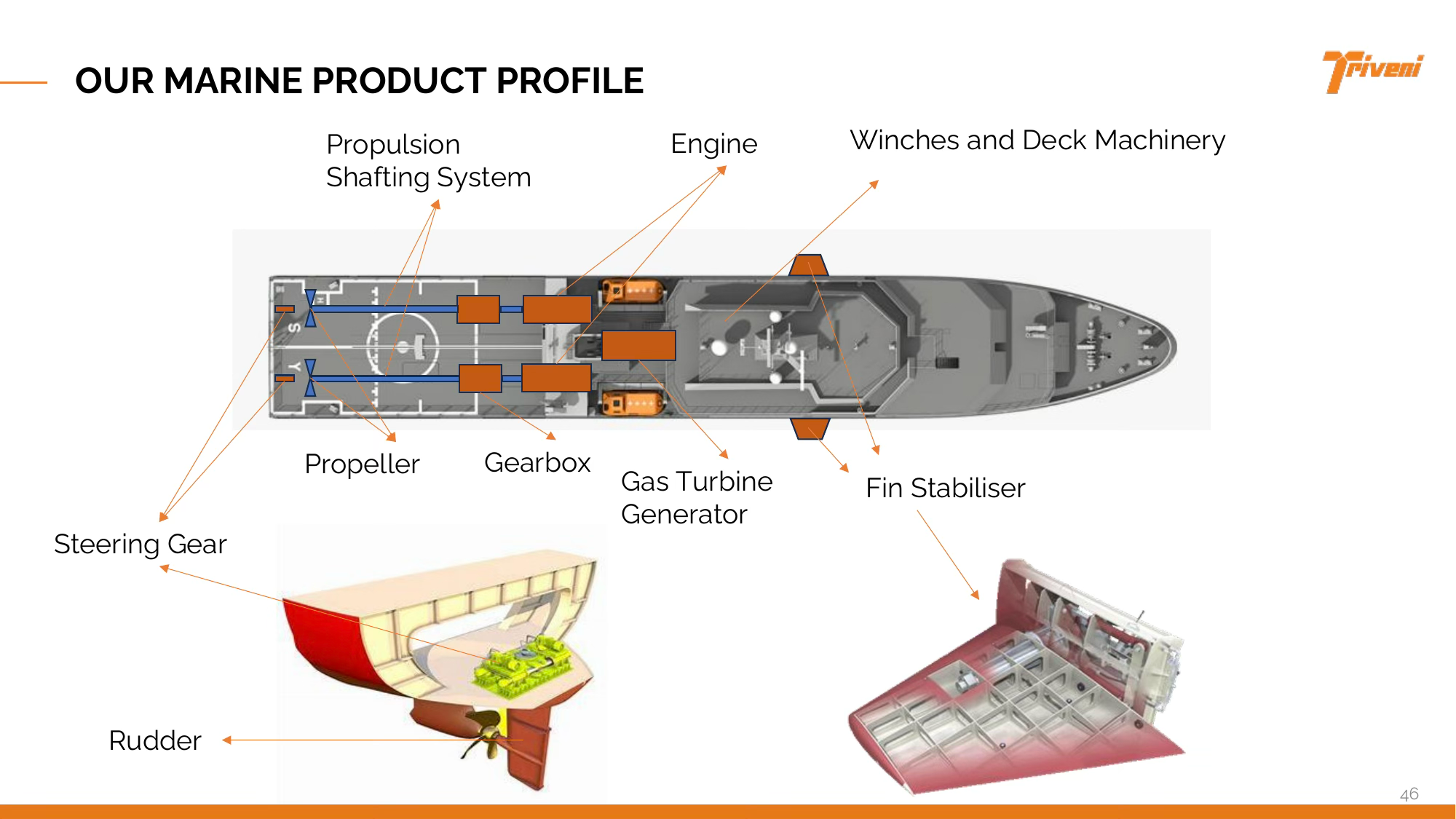
Marine & Defence adjacencies
PTB has been supplying to the Indian Navy for over two decades. Those programmes had not achieved meaningful scale until recently.
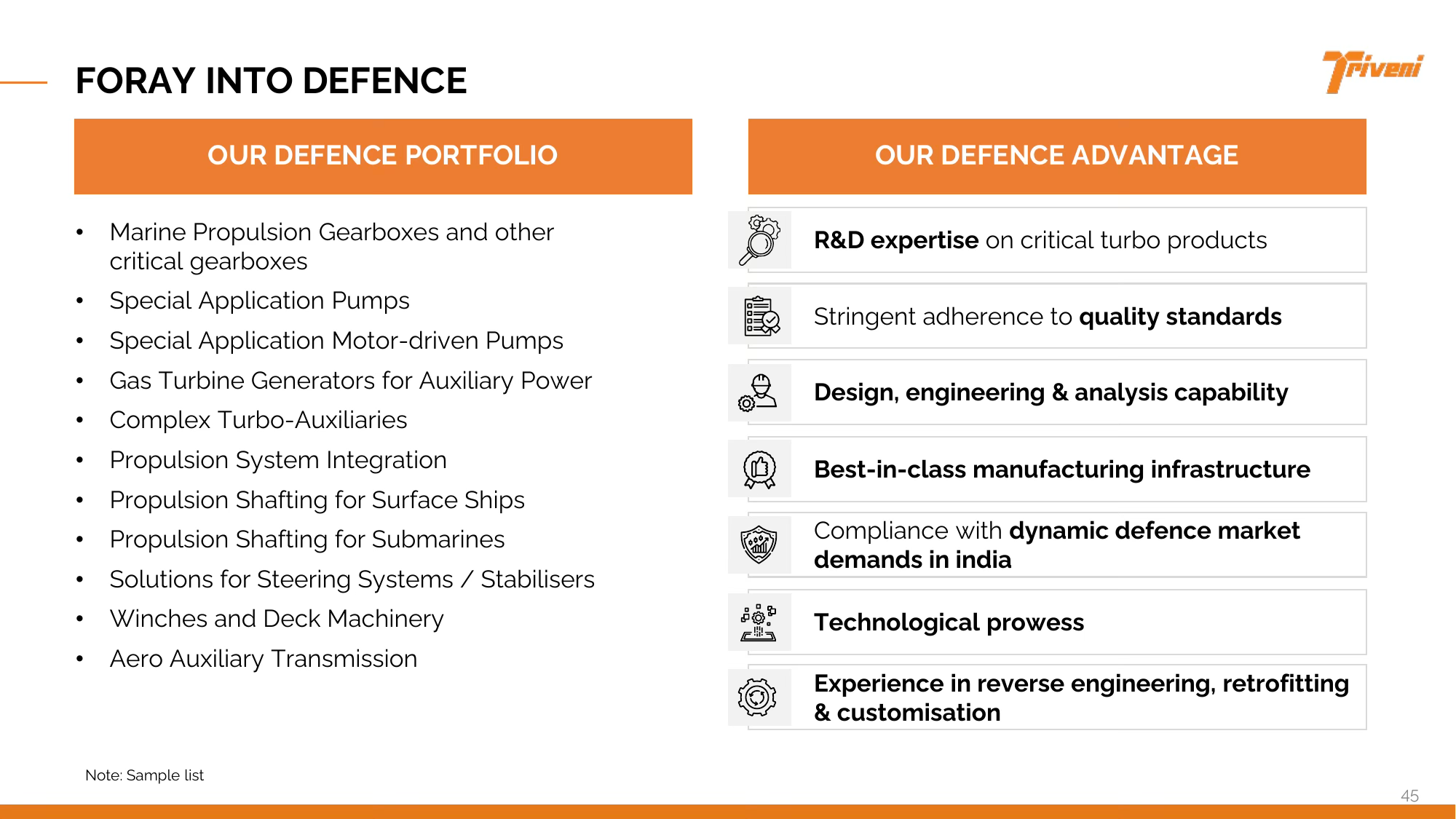
General Electric. Triveni group has a long working relationship with GE. In November 2021, PTB signed a ten-year agreement with GEAE Technology to locally manufacture the LM2500 gas turbine base and enclosure. The LM2500 powers most of the Indian Navy’s surface fleet and ~1000 warships across 30 navies.
Rolls-Royce. In Feb 2025, PTB signed an MoU with Rolls-Royce Marine North America for the AG9160 marine gas turbine generator set. Around 200 such units power the US Navy’s DDG-51 destroyers.
Do note that this is still an MoU - we’ve seen the fate of a popular MOU recently ;)
Demerger and growth outlook
TEIL has demerged this business into a new standalone entity named Triveni Power Transmission Limited (TPTL) which is expected to list on the exchanges soon.
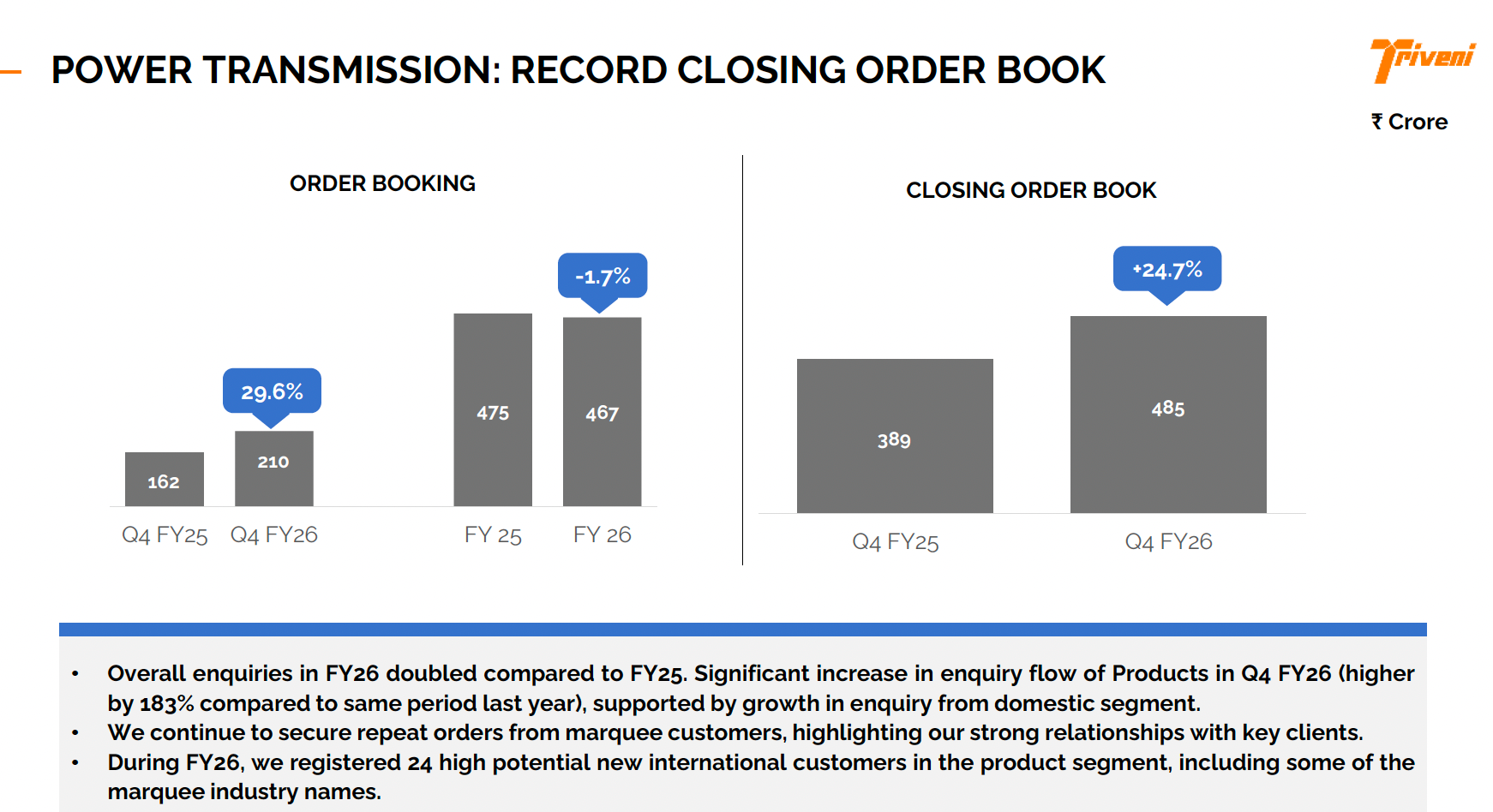
PTB’s (now TPTL) growth has been remarkable in the last five years. Their utilization is running near full. Given the strong orderbook, they are undertaking a capacity expansion worth ₹340 cr. Of this, around 230 crore is already spent. Once complete, the revenue potential from the gears facility will be ₹700 cr. (up from ₹400 cr.)
Promoter playbook
The Sawhney group has run a version of this movie before. Triveni Turbine Limited (TTL) was carved out of TEIL through a demerger in 2011. Around that time, Triveni entered a JV with GE Oil & Gas for steam turbines in the 30–100 MW range, with GE providing technology transfer and R&D support.
New turbine orders for co‑generation and captive power projects were lumpy by nature. The business faced tough times as domestic capex in power nearly stalled. The revenue recognition depended heavily on customer project schedules, leading to unpredictable quarterly performance.
Management recognized this early and articulated that the aftermarket (spares, repairs, refurbishment, field services) would become a priority business. The goal was to build a recurring, high‑margin service revenue stream that offers buffer against the lumpy product cycles.
In 2016, they began sales office expansion in export markets starting from Dubai and London. Over the next few years, they expanded into major global markets.
Refurbishment of 3rd party turbines became a massive growth driver. Management highlighted: “Refurbishment of turbine is a big-big growth potential... we are viable even air-freighting rotors to Bangalore and back.”
Later, in 2021, the GE JV arrangement was terminated, the technology and brand licences ended, and both sides became free to pursue the 30.1–100 MW market independently.
The operating script looks similar in PTB’s case
Carve out a specialised engineering business from a commodity-led parent
Remove the constraint of technology agreement
Reduce dependence on domestic capex cycles
Build global sales infrastructure
Get a foot in the door through overhaul and servicing of any brand
Over time, replace incumbent’s equipment with comparable quality at a lower price
Except for the size.
Size of the pond: Triveni Turbine plays in a large, fragmented global steam turbine market with an enormous installed base to service. The gears and gearbox business has a physical ceiling - above a certain power range, many gas turbines are direct-coupled and do not need a gearbox.
They already have a dominant market share in this segment locally, so the thesis rests on four aspects:
Customer acquisition in US, EU and ME
Penetration of aftermarket/service business
Ramp up of Navy orders in India
Ramp up of new products - niche lower-speed gearboxes, ancillary products in propulsion
Valuation
The question, then, is not whether PTB is a good business. I definitely is an exceptional biz. The question is what the current implied valuation offers.
Valuation of a business that has been demerged but not yet listed is a bit tricky.
On July 22, TEIL’s share dropped by ~38% because the stock turned ex-demerger. Under the 1:3 share swap ratio, eligible shareholders will receive 1 share of TPTL for every 3 shares of Triveni Engineering held as of the July 22, 2026 record date.
Based purely on the drop in TEIL’s market capitalisation, the implied valuation of TPTL appears to be ₹5,000–6,000 crore. That is expensive - 50x+ multiple on ~₹90cr. of trailing NOPAT.
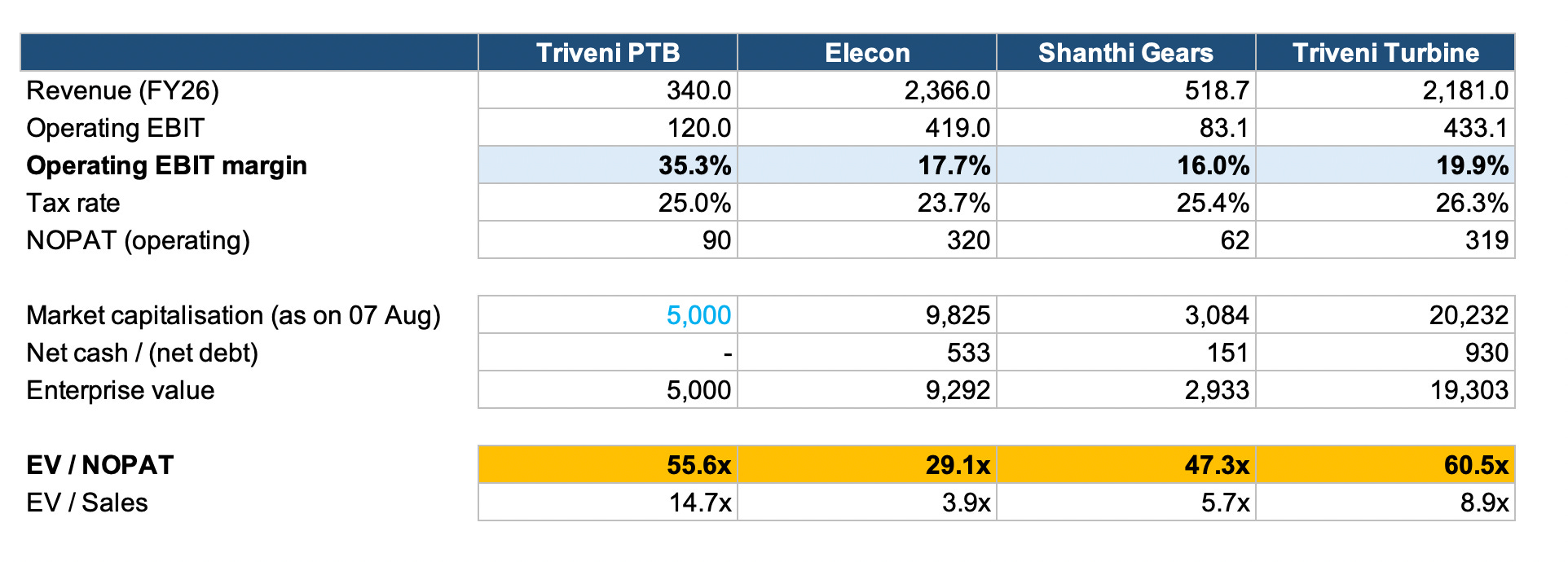
At the implied mcap of ~5k cr, the market is already giving the valuation premium its elder, mature sibling commands.
But this is a growth story, so trailing earnings might not be the right approach. ₹700 crore of gears capacity is expected to be operational soon - by September 2026, (excluding defence). If that capacity fills and margins hold at 35%, we get ₹245 crore of PBIT and roughly ₹184 crore of NOPAT.
What should I pay today for a business earning ₹90 crore that might earn ₹184 crore later?
One more question - how much later?
Filling ₹700 crore of capacity means roughly doubling the topline. Domestically that’s not possible since TPTL itself is the TAM (almost). So the growth has to come from exports. While their orderbook is strong, the commentary from adjacent peers highlight challenges arising from the middle east conflict. Yet, one can be optimistic and assume that the revenue can accelerate at 25%+ and the business will achieve its target in 3 years from now.
If we assume 40x exit multiple at exit (FY29) - the business would be valued at ₹7,500 cr. - doesn’t offer enough margin of safety. That is 27-30% upside over 3 years: not enough margin of safety.
I’ve spent months studying this business, including meeting the management and visiting the plant. Yet, despite the quality of the moat and the business, the valuation doesn’t offer good odds - the market may be smaller than the visible excitement around it. Exports aren’t easy to crack either - that too while defending margins.
Preparedness does not have to become action immediately.
ps - If you found this useful, please share it with your investing group or repost it.
This is the kind of business where the surface narrative is easy: defence, special situations etc. I’d love for more serious readers to critique the work, especially people who understand gears, turbines, rotating equipment or industrial service businesses.
This is not a recommendation. It is my research and reflection, and I may be wrong. Please do your own work.
Super
you need depression in demand to buy great businesses at great valuation.